

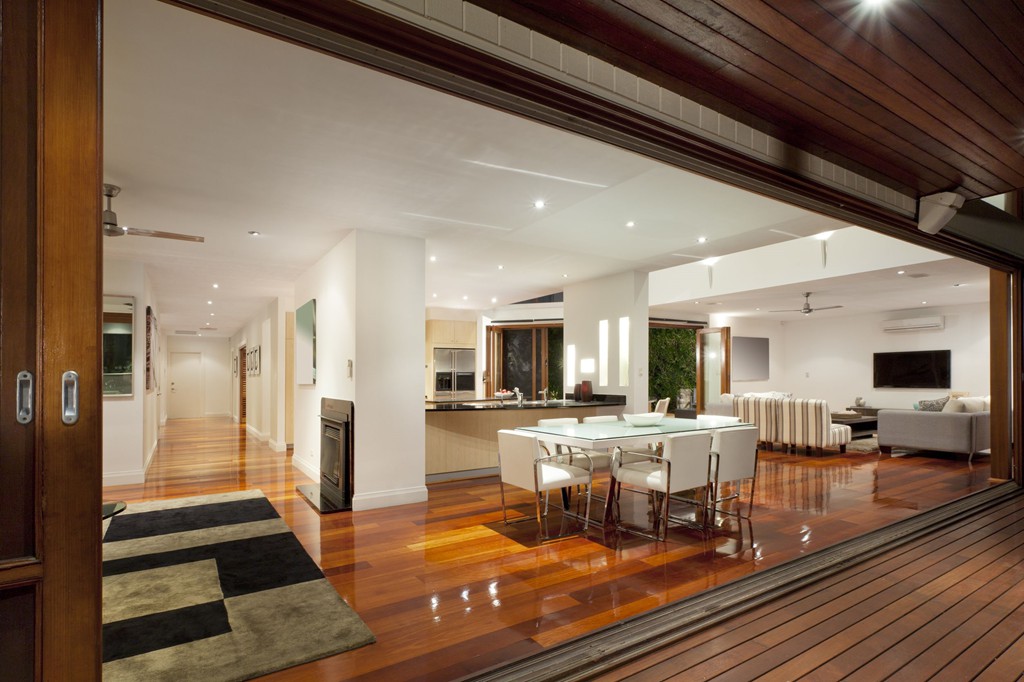
Walking into a flooring showroom can feel overwhelming. Rows of carpet samples, stacks of luxury vinyl planks, and racks of laminate options all promise to transform your space, but how do you know which one actually belongs in your home? The truth is, there's no single "best" flooring — there's only the best flooring for each specific room, based on how it's used, how much moisture it sees, and how much traffic it takes daily.
Start With Lifestyle, Not Looks
Before falling in love with a color or texture, think about who uses the room and how. A mudroom that sees muddy boots and wet umbrellas needs something completely different from a quiet home office. Homeowners often make the mistake of choosing flooring based purely on aesthetics, only to find it wears out or stains within a year or two. Matching material to lifestyle first — and style second — saves money and frustration down the road.
Living Rooms and Bedrooms: Comfort First
These are the rooms where people want to sink their toes into something soft. Carpet remains a favorite here because of its warmth, sound absorption, and comfort underfoot. For bedrooms especially, a plush or textured carpet adds a cozy, quiet retreat. If allergies are a concern, low-pile carpet options are easier to keep clean and reduce dust buildup compared to high-pile varieties.
Kitchens and Bathrooms: Moisture Matters
Water resistance should be the top priority in any room where spills, splashes, or humidity are common. Luxury vinyl flooring has become a go-to choice for kitchens and bathrooms because it's built in multiple layers with a waterproof composite core, meaning spills wipe up without soaking into the subfloor. It also mimics the look of natural wood or stone convincingly, so you don't have to sacrifice style for practicality. Tile is another strong option in these spaces, offering excellent durability and easy maintenance.
Entryways and Hallways: Built for Traffic
High-traffic zones need flooring that can shrug off dirt, scratches, and constant foot traffic. Laminate flooring is a smart pick here — it resists furniture indentations and scuff marks and uses a tongue-and-groove interlocking system that keeps everything firmly in place. Because laminate "floats" over the subfloor, it can even be installed over existing concrete, wood, or vinyl in many cases, making renovations simpler.
Basements and Playrooms: Durability and Flexibility
Basements often deal with temperature swings and occasional moisture, which makes luxury vinyl or laminate better choices than solid hardwood. For playrooms, a durable, easy-to-clean surface that still feels comfortable for kids to sit and play on strikes the right balance.
Don't Forget Area Rugs
Not every room needs wall-to-wall flooring replaced. Area rugs are a fantastic way to add warmth, define a space, or protect hard flooring in high-use zones without a full renovation. They're also an easy way to update a room's look seasonally or as trends change.
Getting Expert Guidance
Choosing flooring isn't something you have to figure out alone. A knowledgeable flooring team can walk you through samples, explain how different materials perform in real homes, and help you avoid costly mistakes. To learn more about the people behind the recommendations and the experience they bring to every project, take a look at our about us page.
If you're ready to see these materials in person and get a feel for what will truly work in your home, nothing beats visiting a showroom. Stop by and explore our full selection — find our location and come see samples, textures, and colors up close before making your final decision.


